
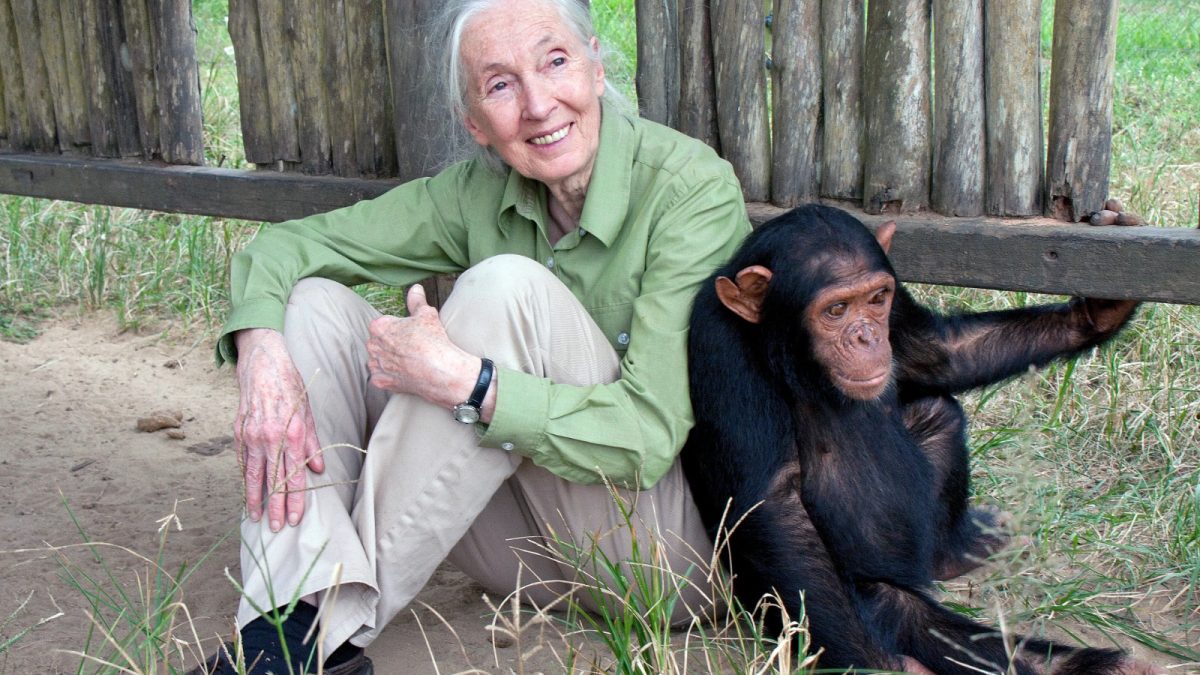
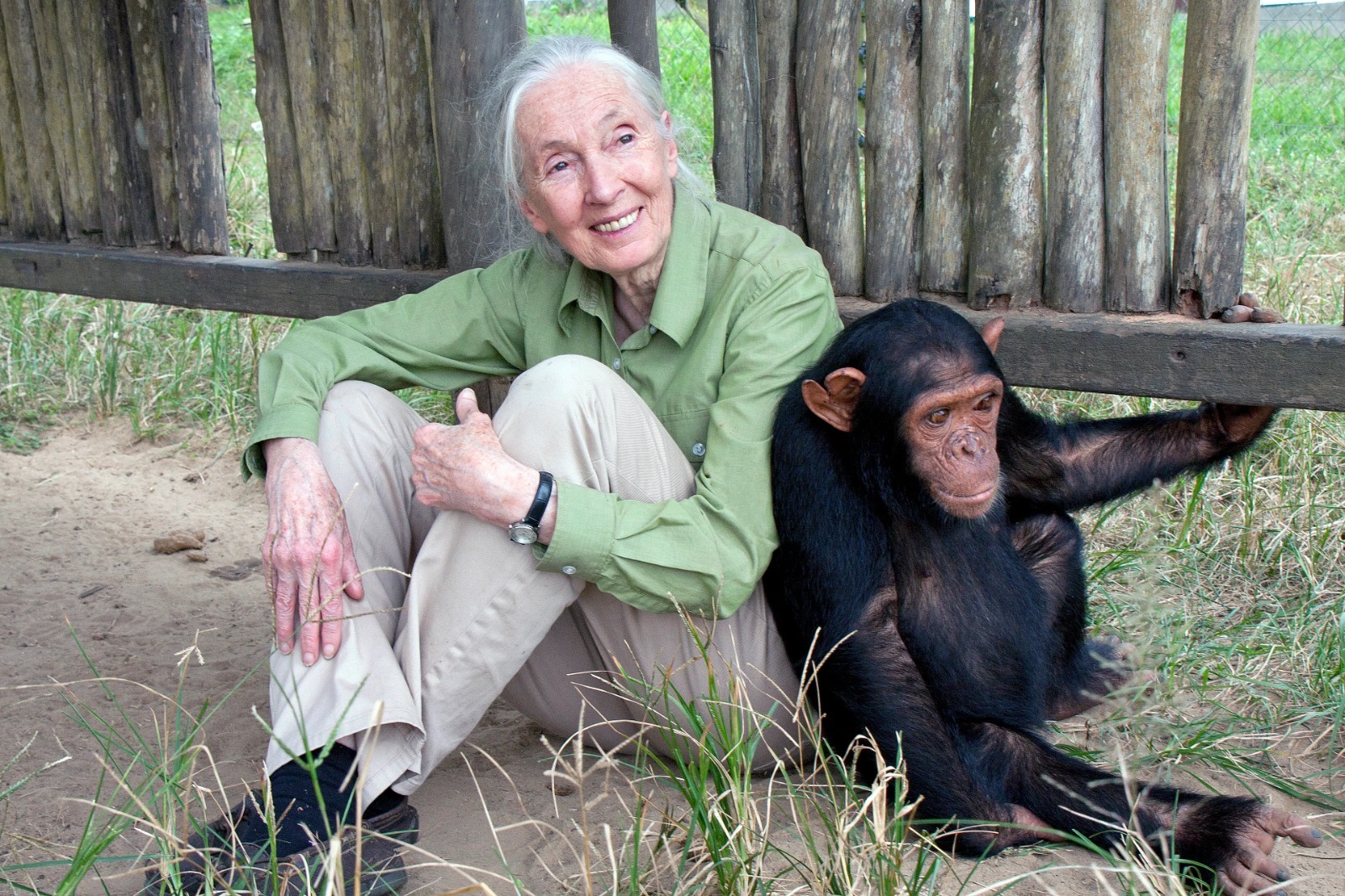
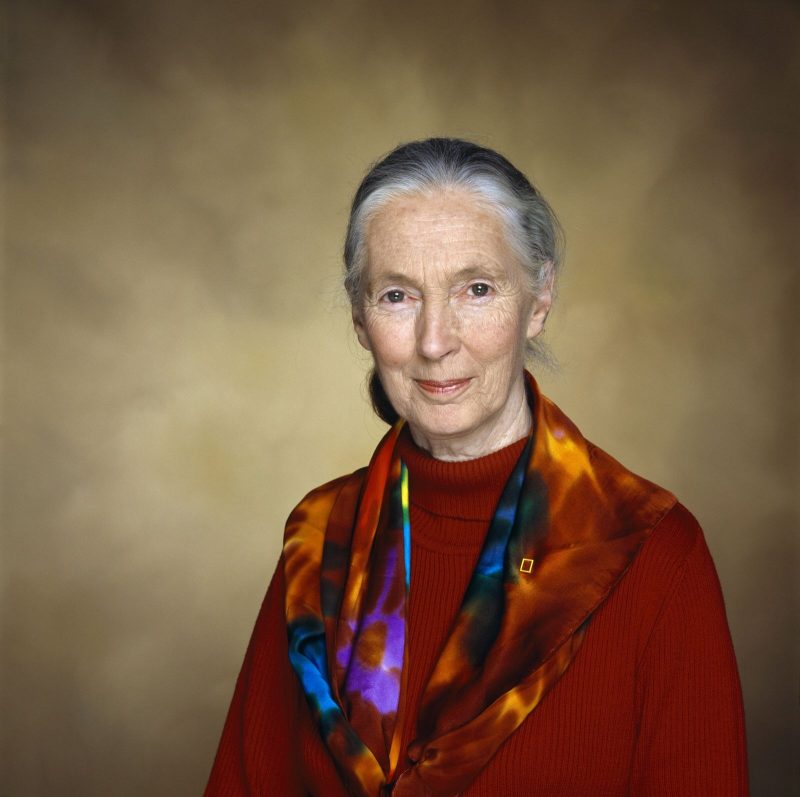
Science and environmental activism have lost one of their most influential figures. Jane Goodall, the British primatologist who forever changed the way we understand chimpanzees and their connection to humans, has died at the age of 91 in California.
A Scientist Who Changed History
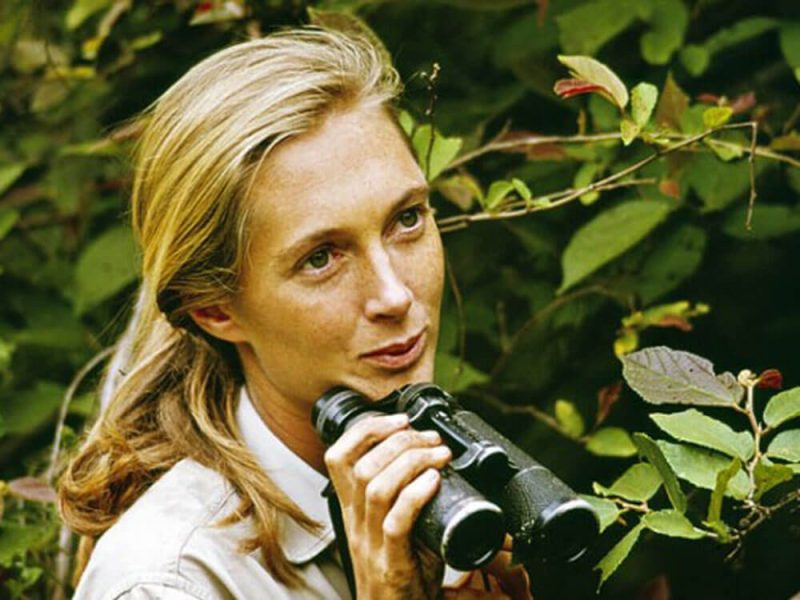
In the 1960s, Jane Goodall embarked on a journey that would transform modern biology. Her arrival at Gombe National Park in Tanzania marked the beginning of one of the most groundbreaking wildlife studies ever conducted. There, she documented behaviors never before seen, such as tool use, organized hunting, and the emotional richness of chimpanzees.
These discoveries shattered long-held scientific beliefs and opened a new perspective on the evolutionary and emotional connection between humans and primates.
You might be interested: Tyreek Hill Out for the Season: What’s Next for the Dolphins?
Beyond Research
Goodall was never limited to science alone. Over the years, her voice became a global symbol of environmental defense. She founded the Jane Goodall Institute, which promotes conservation projects worldwide, and the Roots & Shoots program, which engages young people in environmental initiatives.
Her activism brought global attention to deforestation, poaching, and climate change—always with a message of hope and collective action.
A Legacy That Transcends Generations
Jane Goodall died at 91 while still active as a lecturer and advocate for the environment. Her passing leaves a profound void in science, but also a legacy of knowledge, commitment, and love for life.
Today, scientists, environmentalists, and leaders around the world remember her as one of the most inspiring voices of the 20th and 21st centuries.
Note by Danna Piñera