
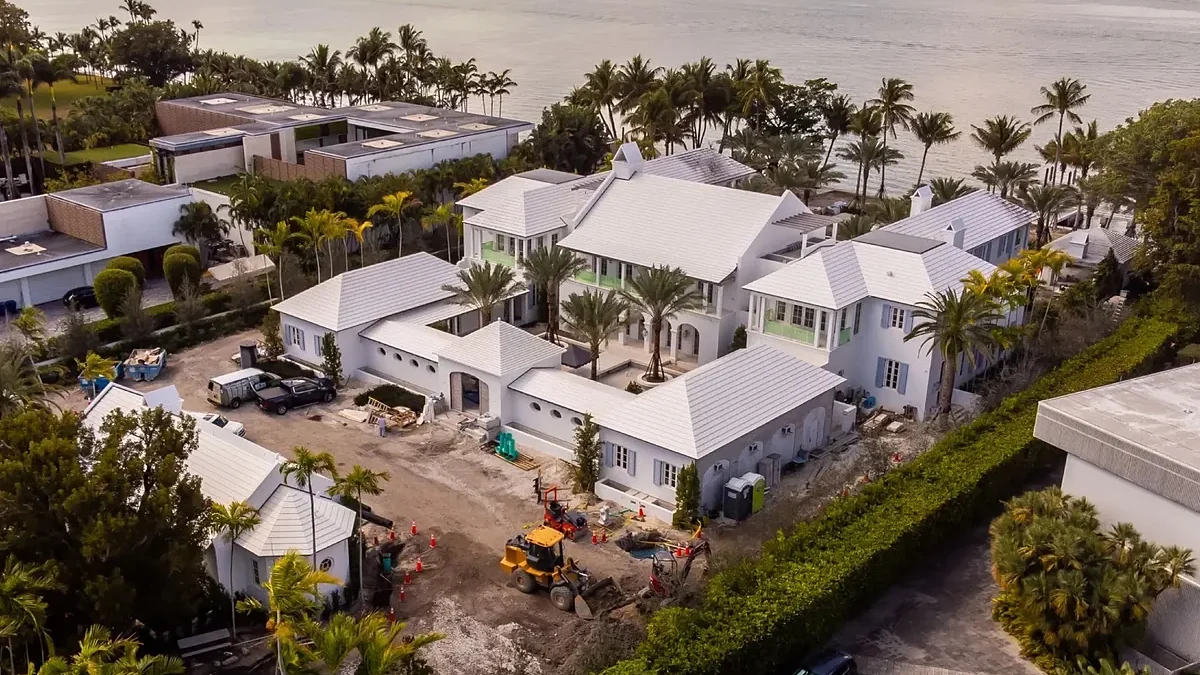
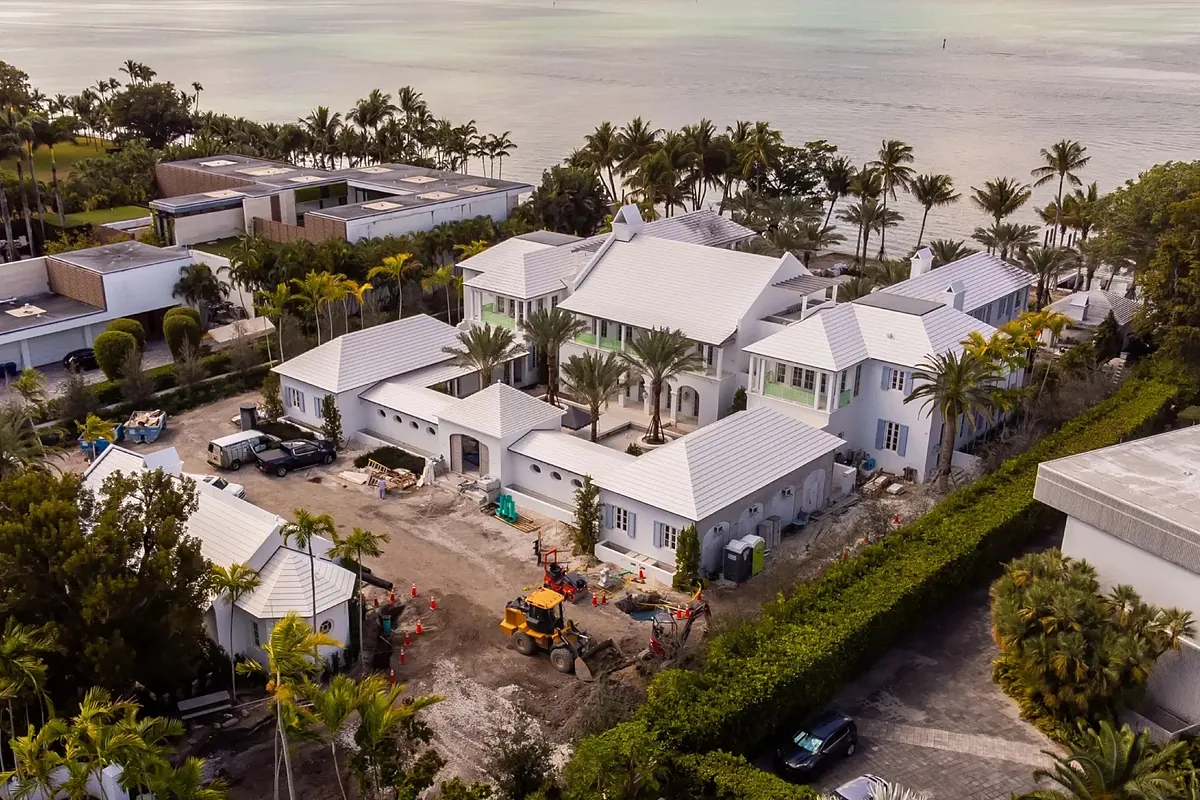
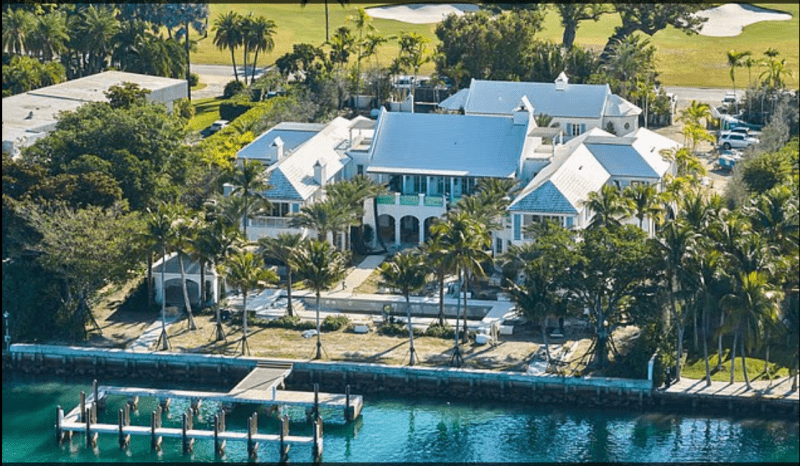
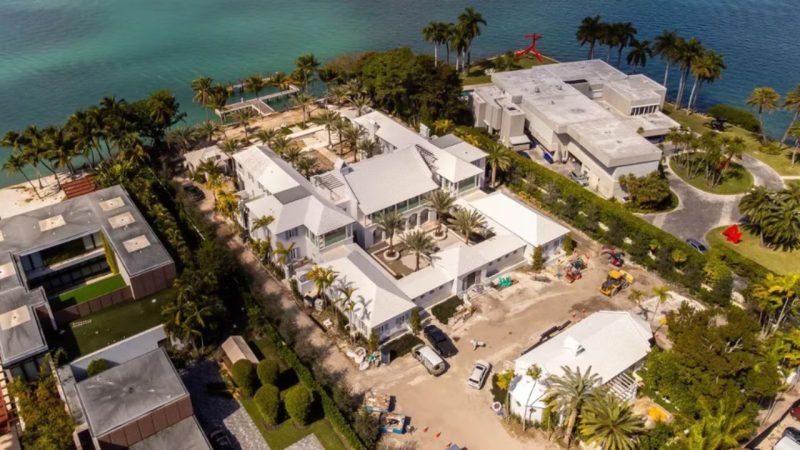
The waterfront estate owned by Meta Platforms CEO Mark Zuckerberg, located on the ultra-exclusive Indian Creek Island, stands as a symbol of elite privacy and high-end real estate. Yet it also sits in one of the most climate-vulnerable regions in the United States.
Often referred to as the “Billionaire Bunker,” Indian Creek is synonymous with wealth and security. But its low elevation and waterfront geography place it directly in the path of rising sea levels, intensifying hurricanes, and mounting infrastructure challenges.
An Exclusive Island Under Environmental Pressure
Indian Creek is home to a small number of ultra-wealthy residents, private security, and some of the most expensive properties in South Florida. However, being completely surrounded by water makes it particularly exposed to climate-related risks.
In recent years, South Florida has experienced:
- More frequent “king tide” flooding
- Sunny-day flooding without storms
- Stronger, more destructive hurricanes
- Ongoing coastal erosion
Scientific projections warn that sea levels along Florida’s coast could continue rising significantly over the coming decades, increasing flood risk for low-lying communities.
You might be interested: USA Stars Win the First International NBA All-Star Game
Billionaire-Level Fortification
Unlike much of Miami, luxury waterfront properties often have access to advanced engineering solutions. Elevated foundations, reinforced seawalls, custom drainage systems, and flood mitigation designs can reduce vulnerability.
For billionaires, adaptation may mean fortifying — or simply relocating to another property if risks escalate.
The broader population, however, faces rising insurance premiums, strained public infrastructure, and neighborhoods increasingly impacted by recurring floods.
Miami on the Front Line of Climate Change
Zuckerberg’s estate highlights a broader paradox: real estate demand in high-end coastal zones remains strong, even as climate risks intensify.
Miami is widely considered one of the U.S. cities most exposed to sea-level rise. Climate scientists caution that without significant mitigation and adaptation efforts, large portions of the metropolitan area could face severe long-term impacts.
Yet luxury development continues, driven by global investors and high-profile entrepreneurs drawn to waterfront exclusivity.
Privilege vs. Collective Vulnerability
The presence of high-profile estates in vulnerable areas underscores a stark reality: extreme wealth offers options — fortification, mobility, relocation — that are not available to most residents.
Climate change in South Florida is no longer theoretical. It is an ongoing challenge affecting infrastructure, insurance markets, and daily life.
Zuckerberg’s mansion on Indian Creek is more than a symbol of luxury. It is also a reminder that even the most exclusive enclaves sit on the front lines of a global climate crisis that extends far beyond any single address.
Note by AVG