
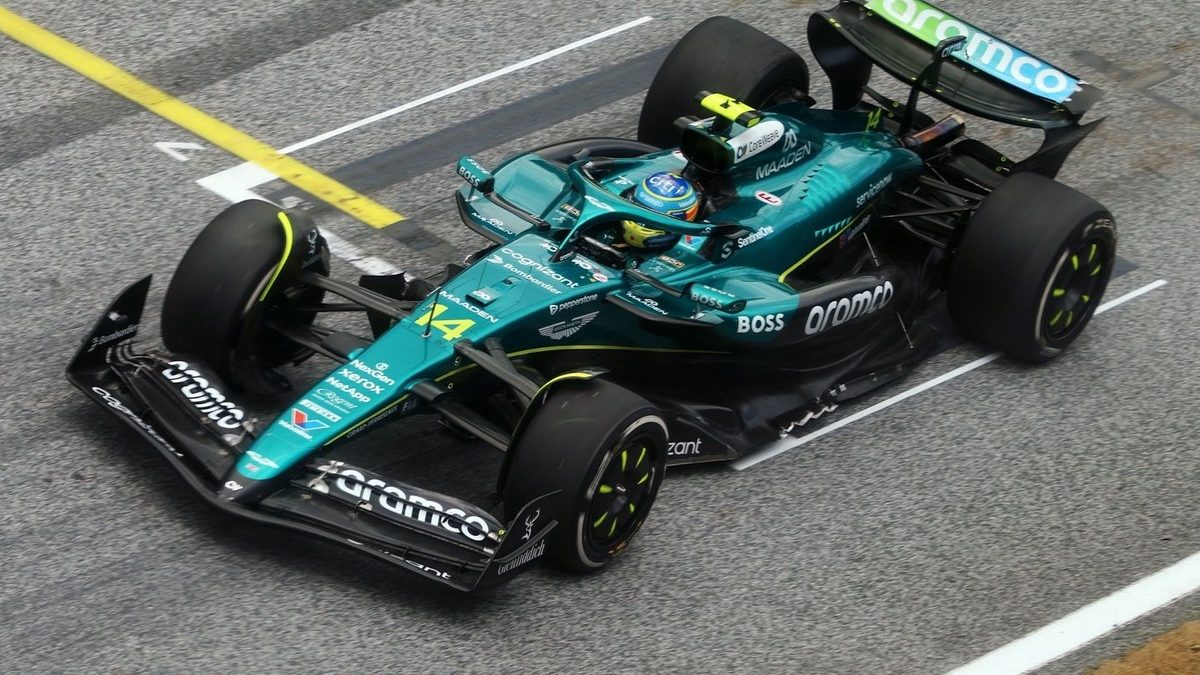
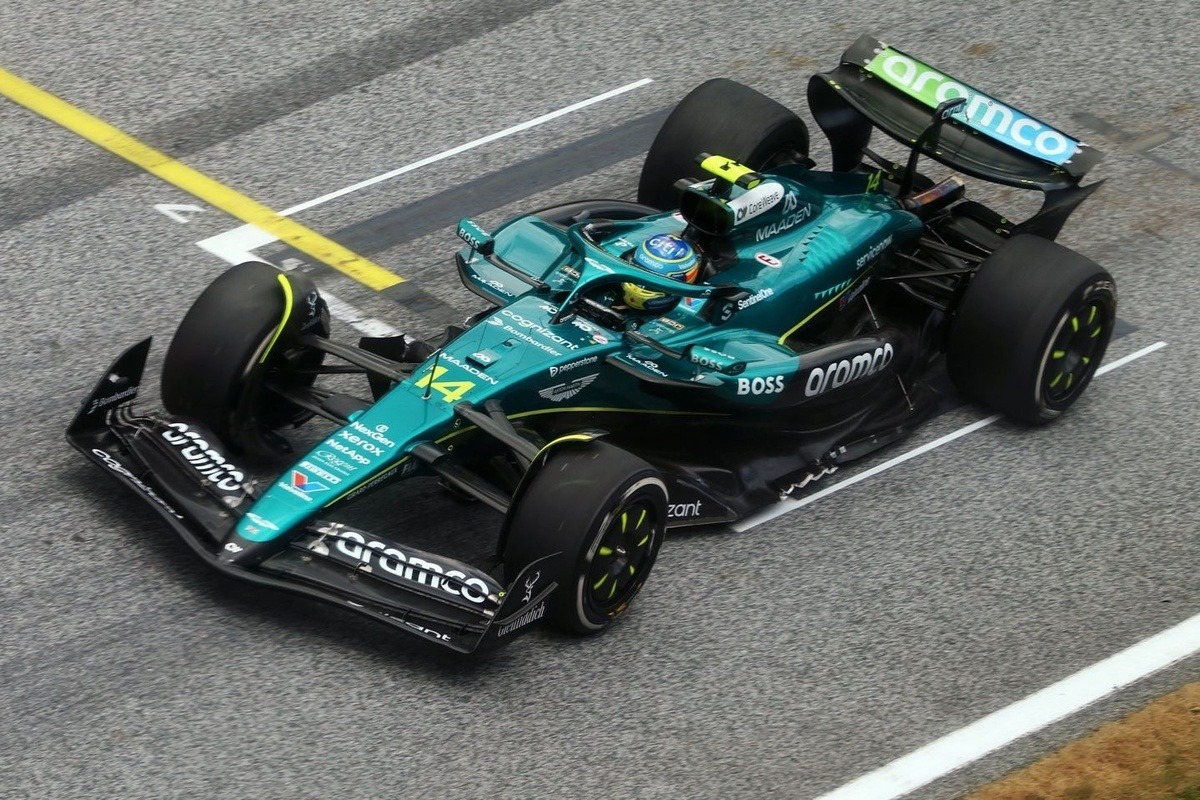
While most teams arrived at the Miami Grand Prix with major upgrades developed during the five-week break in the calendar, Aston Martin Aramco Formula One Team stood out for a very different reason: it was the only team without visible updates on its car.
The absence immediately drew attention across the paddock, especially in a sport where even the smallest improvement can change the competitive order. But behind Aston Martin’s decision lies a more complicated reality — the team is currently focused less on performance gains and more on survival and stability.
A deeper problem than pure pace
During the opening races of the season, the AMR26 struggled heavily with vibrations and reliability issues, forcing the team to completely rethink its development priorities.
Instead of pushing aggressive aerodynamic upgrades, Aston Martin shifted its attention toward fixing structural problems, improving drivability, and reducing mechanical failures. According to operations director Mike Krack, recent progress has mainly centered on stabilizing the car’s behavior.
Internally, the situation has been compared to decorating a cake that has not fully baked yet — adding performance before solving the foundation would make little sense.

You might be interested: Inter Miami CF launches special Mother’s Day offer
Fernando Alonso and managing frustration
The situation also brings a psychological challenge. Fernando Alonso openly admitted that no major upgrades are expected before the European summer, meaning the team must spend several more races dealing with clear competitive limitations.
Alonso explained that Aston Martin’s current strategy is based on avoiding unnecessary spending for small performance gains that would not significantly improve the team’s position on track.
From the team’s perspective, investing budget resources to gain only one or two tenths is pointless if the car still remains far from the midfield battle.
Reliability over performance
Beyond the vibration issues, Aston Martin continues to face gearbox and powertrain problems. Throughout the Miami weekend, drivers reported poor response during gear changes, highlighting that the technical foundation of the car is still unstable.
For that reason, the immediate priority is ensuring both cars can consistently finish races before introducing more ambitious performance developments.
A quiet rebuilding phase
Away from the spotlight of flashy upgrades and aerodynamic packages, Aston Martin appears to be entering a rebuilding period. The focus now extends beyond the car itself and into the team’s operational structure.
Krack emphasized that there is still significant room for improvement in race weekend execution, especially after a start to the season where engineers spent most of their time simply trying to keep the car functional.
The real target lies after the summer
The team’s roadmap is now clearly aimed at the second half of the season. Major upgrades are expected only after the summer break, when Aston Martin hopes to have a more stable platform capable of supporting meaningful performance gains.
Until then, one of the biggest challenges will be maintaining morale and preventing frustration from affecting the team internally. In Formula 1, where pressure revolves around immediate results, committing to a long rebuilding process can be just as difficult as developing the car itself.
For Aston Martin, the 2026 season is becoming less about chasing points and more about overcoming its own technical limitations.
Note by AVG