
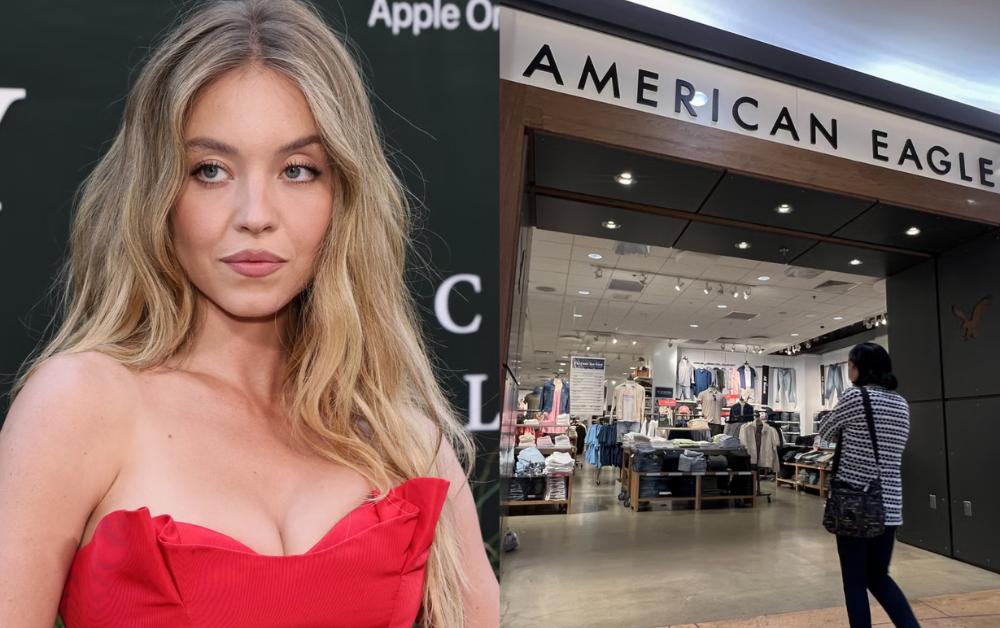
Find out why American Eagle’s new campaign featuring Sydney Sweeney is at the center of a controversy over alleged racist and eugenicist undertones. We break down the case, the criticism, and the impact it’s had.
What’s Behind the American Eagle Campaign Starring Sydney Sweeney?
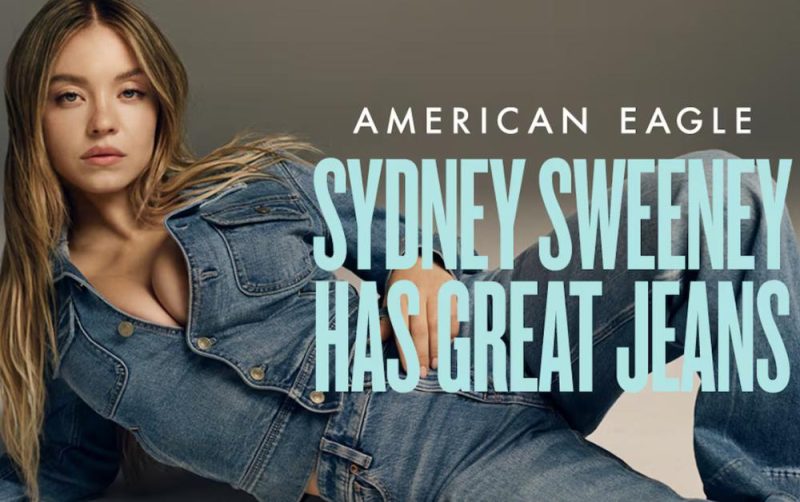
Acclaimed actress Sydney Sweeney recently starred in a new ad campaign for American Eagle, provocatively titled: “Sydney Sweeney Has Great Jeans.” What seemed like a cheeky play on words between “jeans” (denim) and “genes” (genetic heritage) quickly ignited a global controversy.
In this article, we explain why the campaign has been labeled as racist, what its defenders are saying, and how it’s affected the brand’s reputation. If you’re into marketing, fashion, and pop culture, this case is a prime example of how a poorly interpreted (or poorly framed) message can spark a social media firestorm.

You might be interested: Fisher Island: Miami’s Most Coveted Private Island and the Celebrities Who Call It Home
What Was the American Eagle Campaign About?
Launched in late July 2025, the “Sydney Sweeney Has Great Jeans” campaign aimed to revitalize American Eagle’s denim line. In promotional videos and graphics, Sweeney modeled various styles of jeans while delivering lines like:
“Genes determine your eye color, your hair… and my jeans are blue.”
What Was the Intended Message?
- A double entendre between “jeans” and “genes.”
- The idea that having “great genes” equates to wearing “great jeans.”
- A playful, ironic tone meant to resonate with millennials and Gen Z.
However, the message was received very differently by parts of the audience.
Why Did the Campaign Spark So Much Controversy?
The main point of criticism was the perceived implication of eugenics, Western beauty standards, and the glorification of the white, blonde, blue-eyed female ideal.
Most Common Criticisms:
- Hidden racism: Accusations that the campaign promoted the idea that “good genes” equate to European physical traits.
- Supremacist aesthetics: Critics claimed the message echoed slogans used in Nazi propaganda and other supremacist ideologies.
- Unnecessary sexualization: The visual focus on the actress’s body was seen as objectifying by many viewers.
- Lack of diversity: The campaign featured little to no representation of other body types, ethnicities, or styles.
How Did American Eagle Respond?
The company issued a short statement, calling the backlash a “social media overreaction” and defending its original intention: a harmless pun delivered with humor and style. It also reiterated its commitment to inclusion and diversity.
As of now, Sydney Sweeney has not released an official comment.
Commercial Impact: Hit or Miss?
Despite the controversy, the campaign succeeded in grabbing attention.
Since the launch:
- American Eagle stock rose by 7–10%.
- Google searches for “American Eagle jeans” spiked by over 300%.
- The promo video surpassed 80 million views in under a week.
- The jeans worn by Sydney Sweeney sold out in multiple sizes.
Provocative Marketing or Irresponsible Strategy?
This case raises an important question in the age of social media:
Where’s the line between clever marketing and offensive messaging?
American Eagle took a risk with provocation—and it paid off in terms of visibility and sales. Still, the ethical debate remains, and many continue to argue that the media storm may have caused long-term damage to the brand’s image.
Conclusion
The American Eagle campaign featuring Sydney Sweeney has undoubtedly become one of the most talked-about of the year. What started as a simple pun escalated into a global conversation about beauty standards, race, and representation.
What’s your take? Was it a clever campaign—or a serious misstep?
Leave your thoughts or share it with someone who’s as into marketing as you are.
Note by Melissa Gallardo