

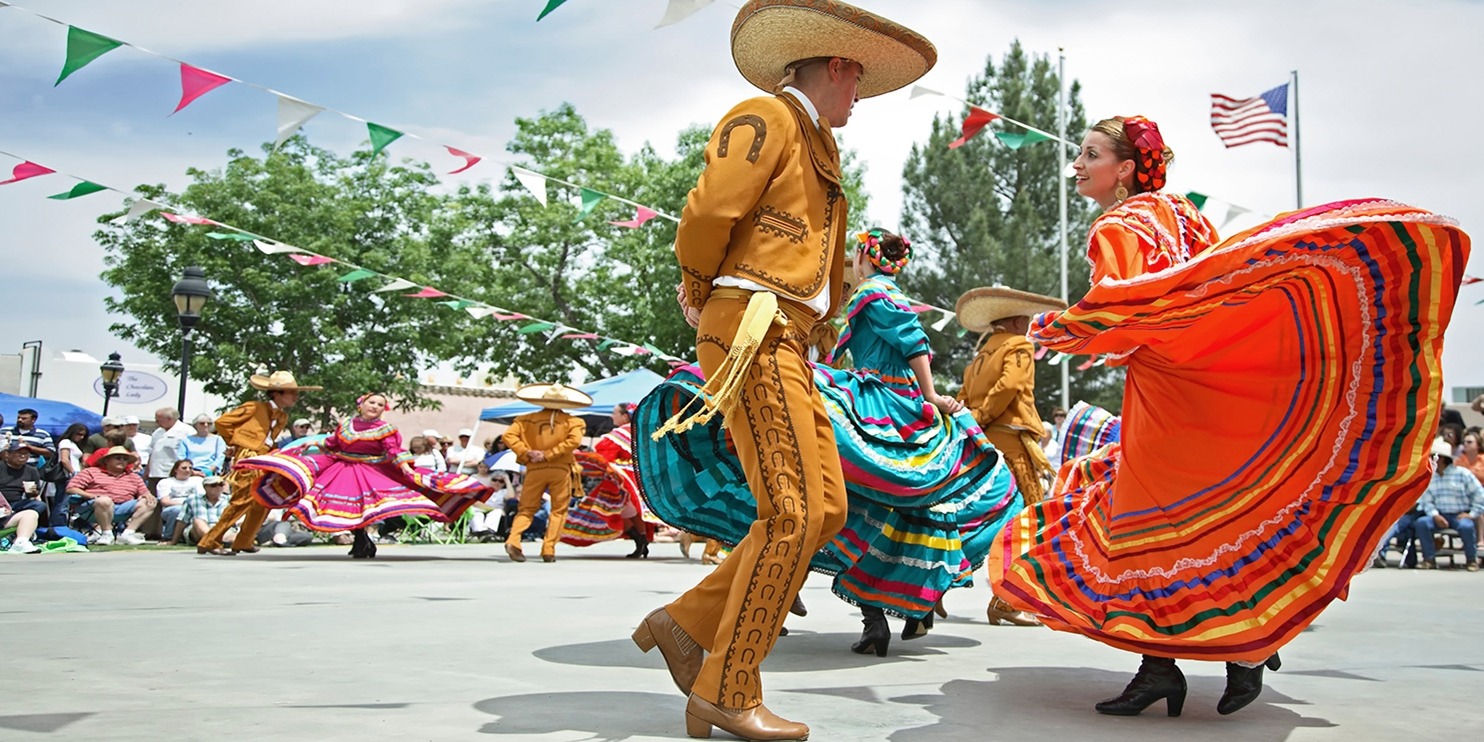
With the celebration just days away, cities like Arizona, Los Angeles, and Houston are getting ready to mark Cinco de Mayo with music, food, and Mexican traditions. However, what many people don’t realize is that this date holds a very different meaning in Mexico compared to United States.
What does Cinco de Mayo commemorate?
Cinco de Mayo is not Mexico’s Independence Day. Instead, it commemorates the Battle of Puebla, which took place on May 5, 1862. On that day, Mexican forces led by General Ignacio Zaragoza defeated the French army under Napoleon III.
Despite being outnumbered and less equipped, the Mexican victory became a powerful symbol of resistance and national pride. In Mexico, the date is mainly observed in the state of Puebla through civic and military parades.

You might be interested: Formula 1 in Miami: speed driving jobs and opportunity for the Latin community
Why is it more widely celebrated in the United States?
The tradition of celebrating Cinco de Mayo in the United States began shortly after the battle. In 1867, Mexican communities in Texas—where Zaragoza was born—held celebrations to honor the victory.
Over time, the meaning of the holiday expanded. During the 20th century, especially between the 1930s and 1960s, it grew among Mexican-American communities as a way to affirm cultural identity and pride in their heritage.
Today, Cinco de Mayo is one of the most visible celebrations of Mexican culture in the United States, particularly in cities with large Latino populations.
More than a party: bicultural identity
While in Mexico it remains a historical and regional observance, in the United States Cinco de Mayo has evolved into a broader cultural celebration. It’s not just about music, food, or tequila—it’s a powerful expression of identity for millions of people with Mexican roots.
It also serves as a reminder of the historical connection between both countries, since much of the southern United States once belonged to Mexico.
A date that connects history and culture
Cinco de Mayo represents two different meanings depending on where it’s observed:
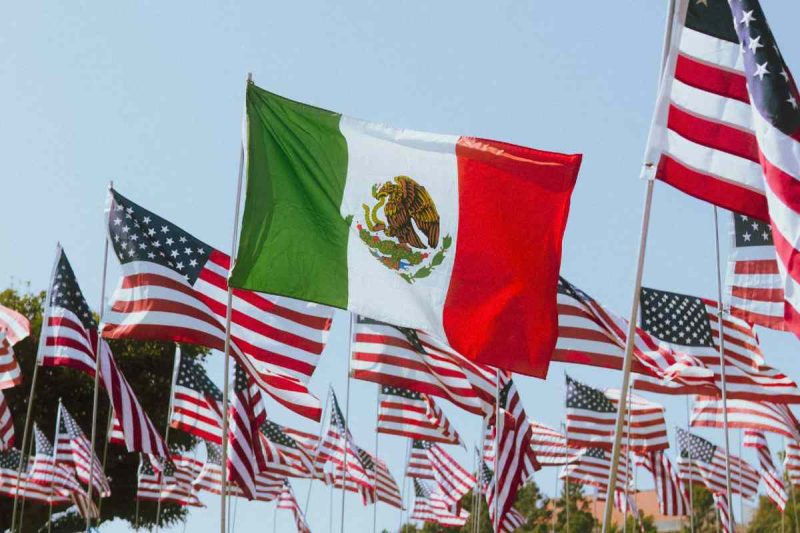
in Mexico, a historic victory; in the United States, a celebration of identity, culture, and belonging.
Beyond the festivities, it is a date that keeps history alive while strengthening the bond between generations and communities on both sides of the border.
Note by AVG