
The Miami Formula 1 Grand Prix 2026 is shaping up to be more than just a highlight of the racing calendar—it’s becoming a powerful economic and social engine for the Latin community. In a city like Miami, where Hispanic culture is deeply embedded in everyday life, Formula 1 represents far more than a sporting event; it opens the door to real growth and opportunity.
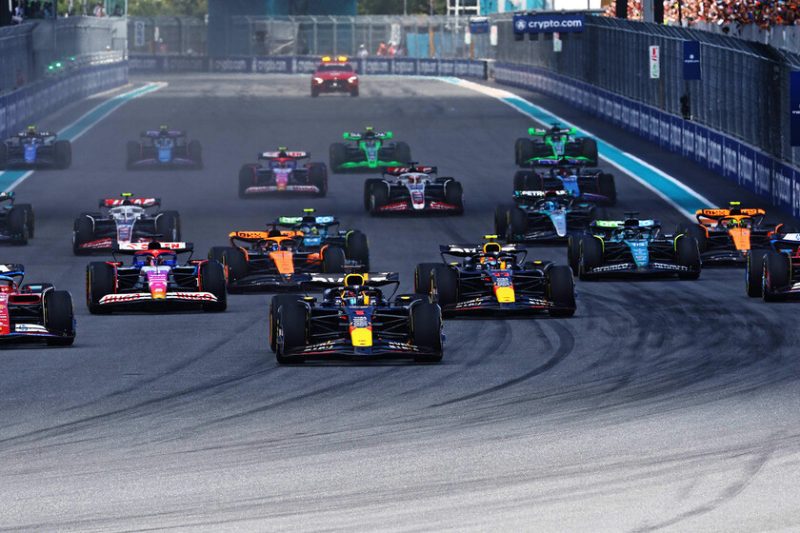
From May 1 to 3, the circuit surrounding the Hard Rock Stadium will welcome thousands of fans, global teams, celebrities, and brands. Behind the spectacle, however, lies a vast workforce that turns this international event into one of the city’s most significant employment drivers of the year.
A job engine with a Latin backbone
The scale of the event requires a complex operation that spans logistics, security, hospitality, technical production, and food services. For 2026, more than 5,000 temporary jobs are expected, with a strong emphasis on hiring local talent—particularly from Latin communities.
Neighborhoods such as Little Havana, Hialeah, and Allapattah—areas with strong Hispanic roots—play a key role in this ecosystem. Small businesses, independent vendors, and local entrepreneurs gain access to new opportunities by becoming part of the event’s value chain.
Beyond the numbers, the real impact lies in access. For many Latin workers, this event offers hands-on experience in a global industry, opening doors to networking, skills development, and future career growth.

You might be insterested: Farruko sparks debate after Ultra appearance featuring “Pepas”
More than a race: a city in motion
The Grand Prix extends far beyond the track. Miami transforms into a citywide stage filled with festivals, brand activations, culinary experiences, and live performances. Districts like Wynwood and the Design District come alive with public events, creating additional demand for artists, technicians, and event staff.
This parallel ecosystem significantly expands the economic footprint of the race. Restaurants, rooftops, and cultural venues tailor their offerings to meet the surge in tourism, boosting employment across hospitality and entertainment sectors.
Economic impact that reaches local communities
Projections for 2026 estimate an economic impact exceeding $470 million in Miami-Dade County. This influx directly benefits small and medium-sized businesses—many of them Latin-owned—providing global exposure and increased demand.
As the event marks its fifth consecutive year in the city, its growth reflects a broader strategy: integrating local communities into the economic benefits, not just as spectators, but as active participants.
Luxury, access, and diverse experiences
The range of experiences available to attendees is vast. From general admission passes to premium hospitality areas like the Hard Rock Beach Club and exclusive lounges, the event blends accessibility with high-end experiences.
Even outside the circuit, fans can engage through free festivals, live screenings, and themed celebrations across the city. This diversity ensures that both international visitors and local residents can take part in the Formula 1 experience.
Formula 1 as a catalyst for urban transformation
Miami’s example highlights how a global sporting event can serve as a catalyst for urban and social development. The key lies in integration—connecting the spectacle with the community, generating meaningful opportunities, and ensuring that economic growth has a local face.
In 2026, Formula 1 will deliver more than speed and adrenaline. It will fuel stories of work, ambition, and progress within the Latin community, reinforcing Miami’s position as a city where sport, culture, and opportunity move forward together.
Note by AVG